

This week has been a wild one.
The Cult of NatureBoy has been sitting in the Hulu top ten. Tonight we find out whether Breaking Ranks wins an Amnesty Award. On Sunday it is up for a BAFTA. And somewhere in between, I am speaking at the Creative Cities convention in Liverpool, my hometown, about building Zandland, about my career, about what it actually takes to make this kind of work exist.
And this week we release a film where I sit across from a man who has just been convicted of first degree murder, days away from beginning a life sentence, and ask him how he feels about what he has done.
These things are connected. Not just because they are all happening at once, but because they are all products of the same question that sits at the centre of everything we make. It’s also a question I get asked non-stop:
How do you actually get people to talk to you?
The access problem
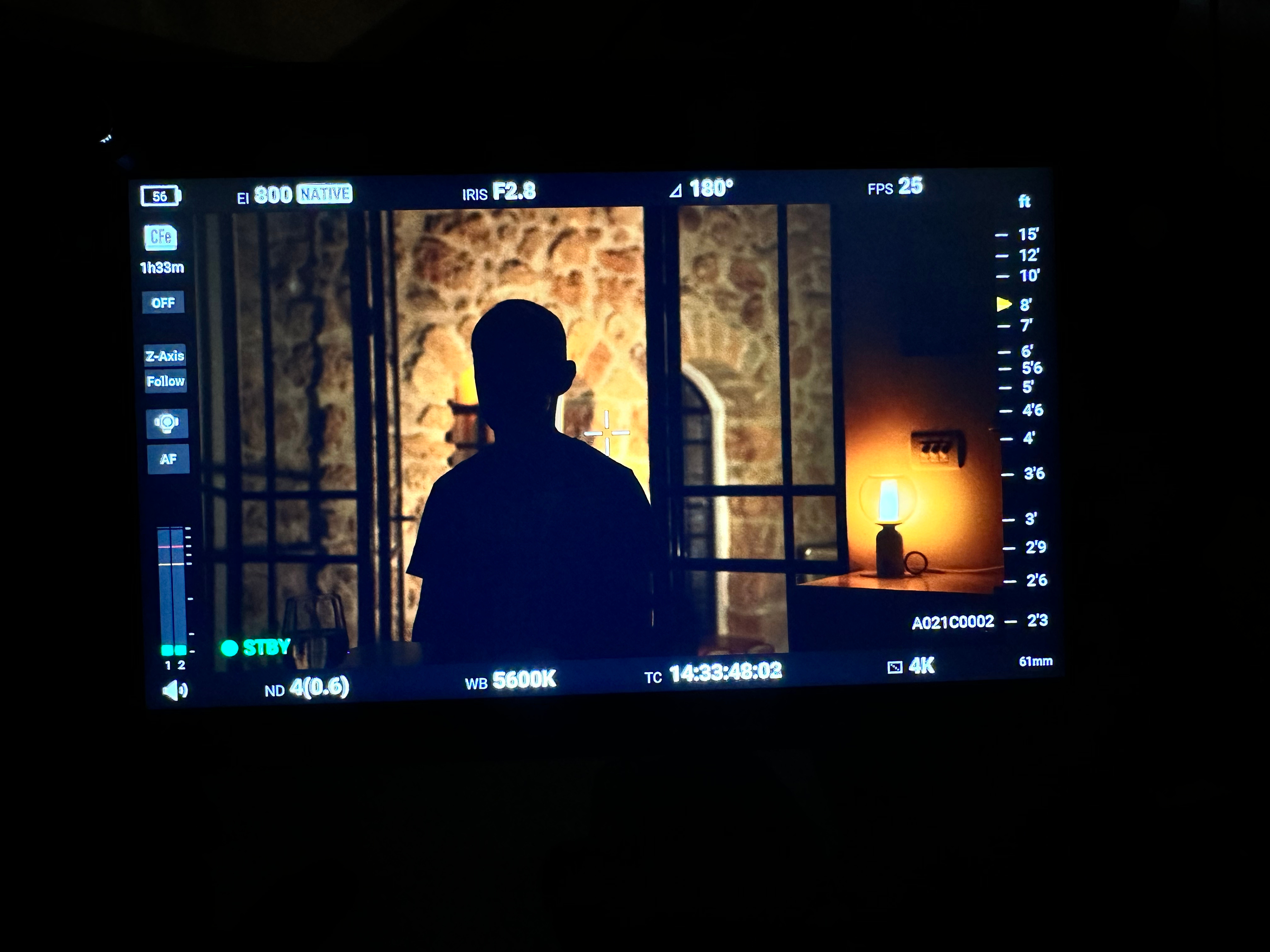
For Zandland, access is absolutely everything. The issue is, we operate in an age where trust in media and journalism is at an all time low. And not without reason.
People have been burned. Subjects who spoke honestly to journalists found their words twisted into a narrative that was already written before the camera turned on. Communities who let crews in watched themselves become caricatures. Whistleblowers who thought they were speaking truth to power ended up exposed and alone.
In that environment, genuine access, the kind that produces something real rather than something that just looks real, is becoming genuinely rare and very hard to get. And the irony is that the media environment making it rarer is also the one that needs it most.
Because when trust collapses, people stop talking. And when people stop talking, journalism fills the gap with speculation, performance and confident commentary from people who were never in the room.
The honest answer
People ask me a lot how we get the access we get. And the honest answer is not complicated, even if it is increasingly countercultural.
It starts with mutual respect. Not agreement. Not the promise of friendship or the suggestion that the relationship will extend much beyond the film. Not telling someone what they want to hear or pretending to share their worldview. Just a basic, genuine commitment to treating every person we film as a human being. To respecting their fundamental humanity regardless of what they have done, what they believe, or what the world thinks of them.
That sounds obvious. In the current media environment it is not.
Because the incentives push in the opposite direction. Outrage performs better than complexity. Villains are easier to sell than human beings. A journalist who arrives with a verdict already written and just needs a face to attach it to will often produce something that travels further and faster than one who comes in genuinely open to what they might find.
And subjects know this. They have been approached by enough crews, seen enough of their community reduced to a thumbnail, watched enough content about people like them that bears no resemblance to the actual reality, that the default position is suspicion. Often very justified suspicion.
So the work of getting access starts long before the camera turns on. It is about being honest with people about what you are making and why. About not pretending to be something you are not. About assembling the right team for the specific story you are telling. And above all, about making someone feel, correctly, that whatever they say and however it reflects on them, they will be treated as a full human being rather than a convenient plot point.
That is not the same as promising a sympathetic edit. It is not the same as saying you will agree with them or protect them. It just means you will be fair. And that you mean it.
Seven years, one story
The Cult of NatureBoy sitting in the Hulu top ten this week is, on the surface, a streaming milestone. Underneath it is something more interesting.
I first came across the NatureBoy story in 2017. What followed was seven years of work, of following a story that kept evolving, of development cycles where it genuinely was not clear whether the film would ever get made, of waiting for a legal process to conclude, of staying in contact with people who had been through something genuinely traumatic and needed to be handled with enormous care.
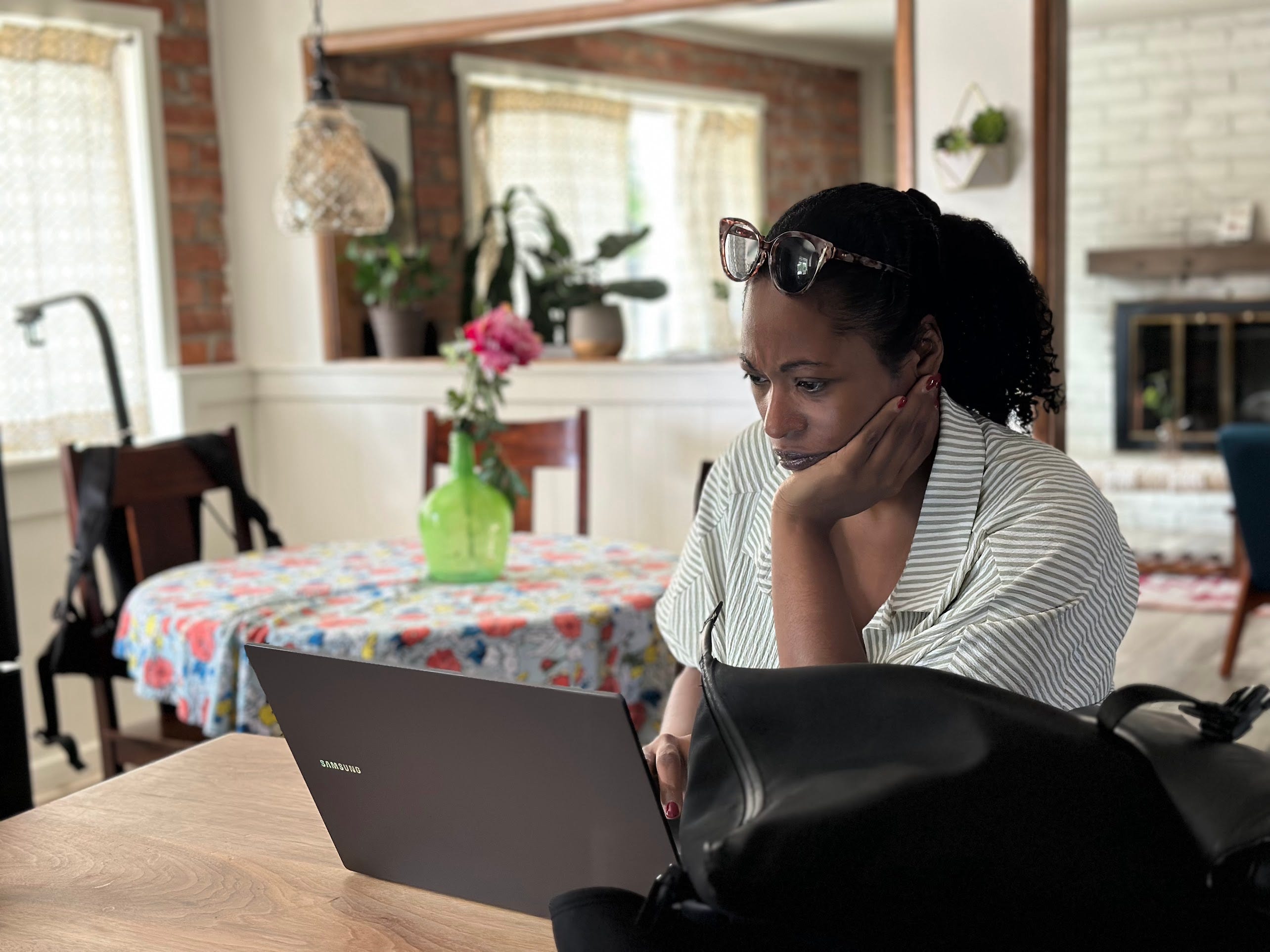
Producer Janine Weaver was absolutely pivotal and worked with me on this story for years. Through the uncertainty, through the moments where the whole thing looked like it might not happen, through the long process of building enough trust with the people at the centre of it that they were willing to tell their story on camera.
That is what access like this requires. Seven years of people caring enough about a story to stay with it when there was no guarantee it would ever land anywhere. Seven years of being honest amidst the uncertainty. Of demonstrating, over and over again, that the commitment to treating people fairly was real and not contingent on what they said or how useful it was.
Five years, one friendship
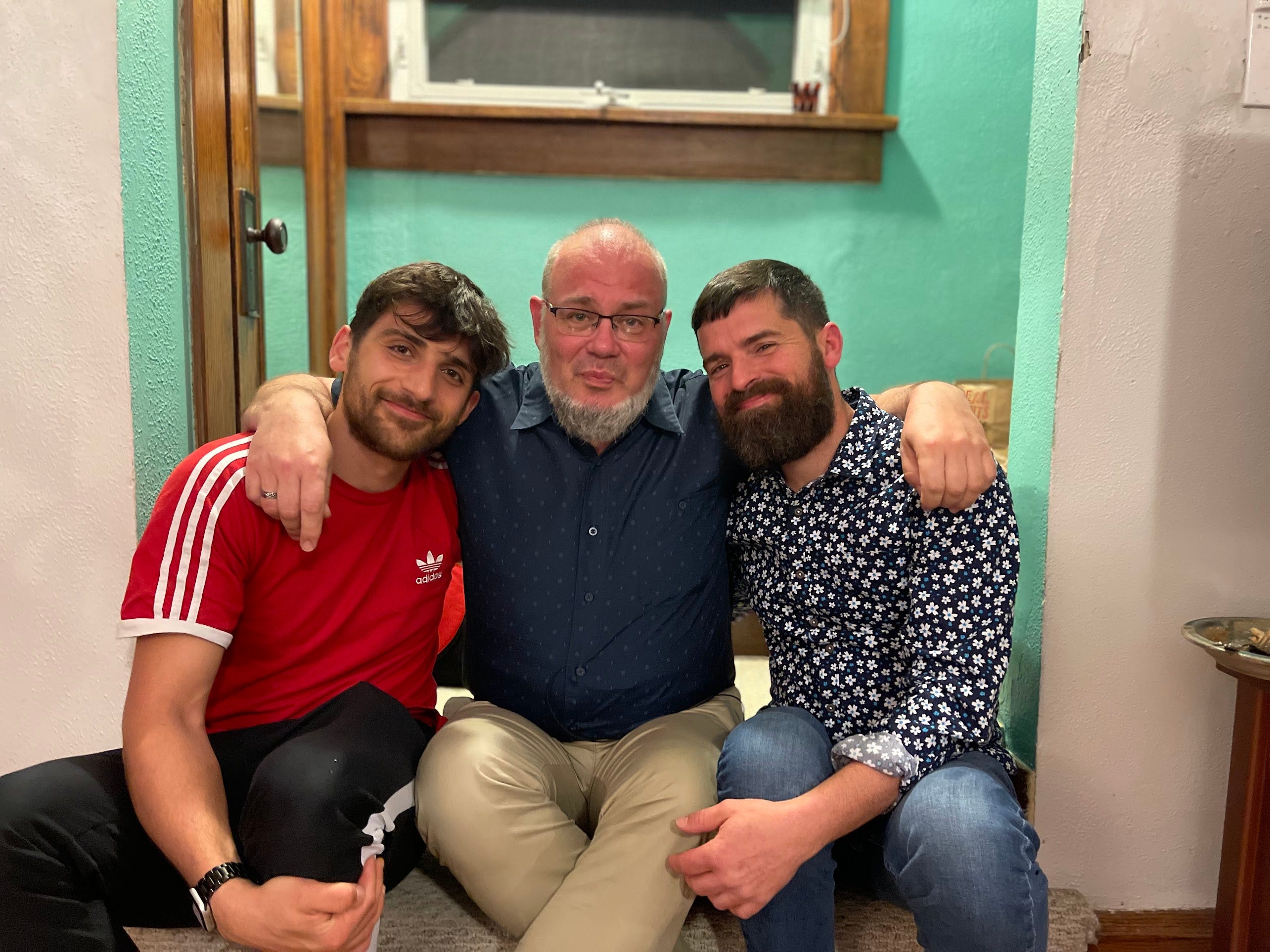
We also recently finished a film called Coming Out Amish that does not yet have a distribution date, but that I am incredibly proud of and think about a lot.
It came from a friendship I formed with a member of the Amish community over five years of conversations. Not an interview relationship. A genuine friendship, one that has gone through some of the biggest moments in both of our lives over the course of knowing each other. Births, losses, decisions, uncertainty. The kind of shared history that cannot be compressed into a production timeline or a commissioning brief.
That film exists because of that relationship. Full stop. There is no version of it that happens without five years of showing up, of being honest, of going through things together. And there is no version of the access we got without the trust that came from all of that.
It is probably the purest example of something I believe deeply: that the best journalism does not start with a commission or a pitch. It starts with a human relationship. And those take as long as they take.
How Breaking Ranks actually happened
Breaking Ranks is a film in which Israeli soldiers speak on camera about witnessing and participating in things the Israeli government has repeatedly denied. Civilians killed at food distribution points. Rules of engagement abandoned. A tank firing on a man hanging laundry from a rooftop.
Getting those soldiers to speak required something that is harder to manufacture than any technical skill or institutional backing. It required the right team, assembled in a way that reflected the story itself. Matan Cohen, who led the soldier interviews and secured the access, was pivotal to that. The make up of a team matters enormously in this kind of work. Who is in the room, what they represent, what they understand from the inside, changes everything about whether someone will speak to you honestly or not.
The people we were speaking to needed to genuinely believe they would be treated fairly. Not softly. Not without challenge. But fairly. That they would be heard rather than processed. That their complexity would be respected rather than flattened into a headline.
That is not a small thing to offer someone who is about to say something on camera that their government, their army and in some cases their family will not want them to say. The reason they spoke is not because we promised them anything beyond that basic commitment. It is because they believed, correctly, that we were genuinely trying to understand what happened rather than confirm what we already thought.
The BAFTA nomination and the Amnesty nomination matter to us not just as recognition. They matter because they are proof that the access worked. That what those soldiers said was real enough and important enough to change how people understand what happened in Gaza. That is what access journalism is supposed to do.
The same principle, a very different room
A few months ago we were inside a US jail.
One of the people we spoke to was days away from being transferred to prison to serve a life sentence for first degree murder. He had nothing obvious to gain from talking to us. He had every reason to be suspicious of a British documentary crew turning up with cameras in the final days before his life changed permanently.
He talked anyway. At length. Honestly. About the night it happened. About what it felt like. About what his life looks like from inside it.
And the reason he talked is the same reason the soldiers talked, the same reason the people in The Cult of NatureBoy talked, and the same reason the person at the centre of Coming Out Amish talked. We came in without a verdict already written. With genuine curiosity about how a human being ends up in that room. With a real commitment to giving him a fair hearing regardless of what he had done.
We were not there to be his friend. We were not there to agree with him or excuse what happened. We were there to understand it. And he could feel the difference between that and someone arriving with an angle.
That is what empathy in journalism actually means. Not sympathy. Not softness. Just the basic human decision to treat someone as a person first, whatever comes after.
What this week feels like from the inside
Awards weeks are strange when you are a founder. There is a version of it that looks, from the outside, like validation and celebration. And it is those things. We are genuinely proud of Breaking Ranks and what the team built. We are proud of what Janine and everyone who worked on NatureBoy built over seven years. We are proud of the friendship and the trust that made Coming Out Amish possible.
But there is also the quieter version, the one I have been having with other founders lately in the kind of conversations that only happen when everyone has let their guard down a bit. The version where you talk honestly about what it costs to build something like this. The uncertainty that does not go away even when things are going well. The gap between what the work looks like from the outside and what it feels like to be inside the process of making it.
I think that honesty is part of what we are trying to build at Zandland. Not just in the films but in how we talk about what we do. The access we get from subjects comes from a genuine commitment to treating people fairly and without a predetermined conclusion. The trust we are trying to build with this audience comes from the same place.
So here is the honest version of this week: it feels significant. The Hulu placement for NatureBoy is a genuinely big deal for us, the kind of milestone that only exists because of years of work that looked, at many points along the way, like it might never amount to anything. The nominations matter. The jail film matters. And speaking in Liverpool this week, the city I grew up in, about how all of this came to be, feels like a moment worth sitting with.
The question of how you make journalism that people will actually talk to you for is one I think about constantly and do not have fully solved. But we are in the game. We are making the work. And that, more than any award, is the thing that actually counts.
What is coming
The jail documentary drops soon. It is unlike anything we have made before and I think it will find an audience in a way that surprises people.
Breaking Ranks is free on our YouTube if you have not seen it.
The Cult of NatureBoy is on Hulu now and comes to Disney+ internationally on July 15th.
And if any of this resonated, forward it to someone who thinks about these questions too.
If someone sent this to you and you want more, subscribe at newsletter.zand.land.
— Ben