

Sometimes, at Zandland, a story calls and you just have to go. A conversation opens a door, a moment presents itself, and suddenly you’re booking a flight at midnight because you know if you don’t go now, you won’t get another chance. That’s the nature of this work. We’re in the business of catching real life as it happens, the moments of change, of decision, of people revealing something true about themselves - and those moments don’t really care about your production timeline.
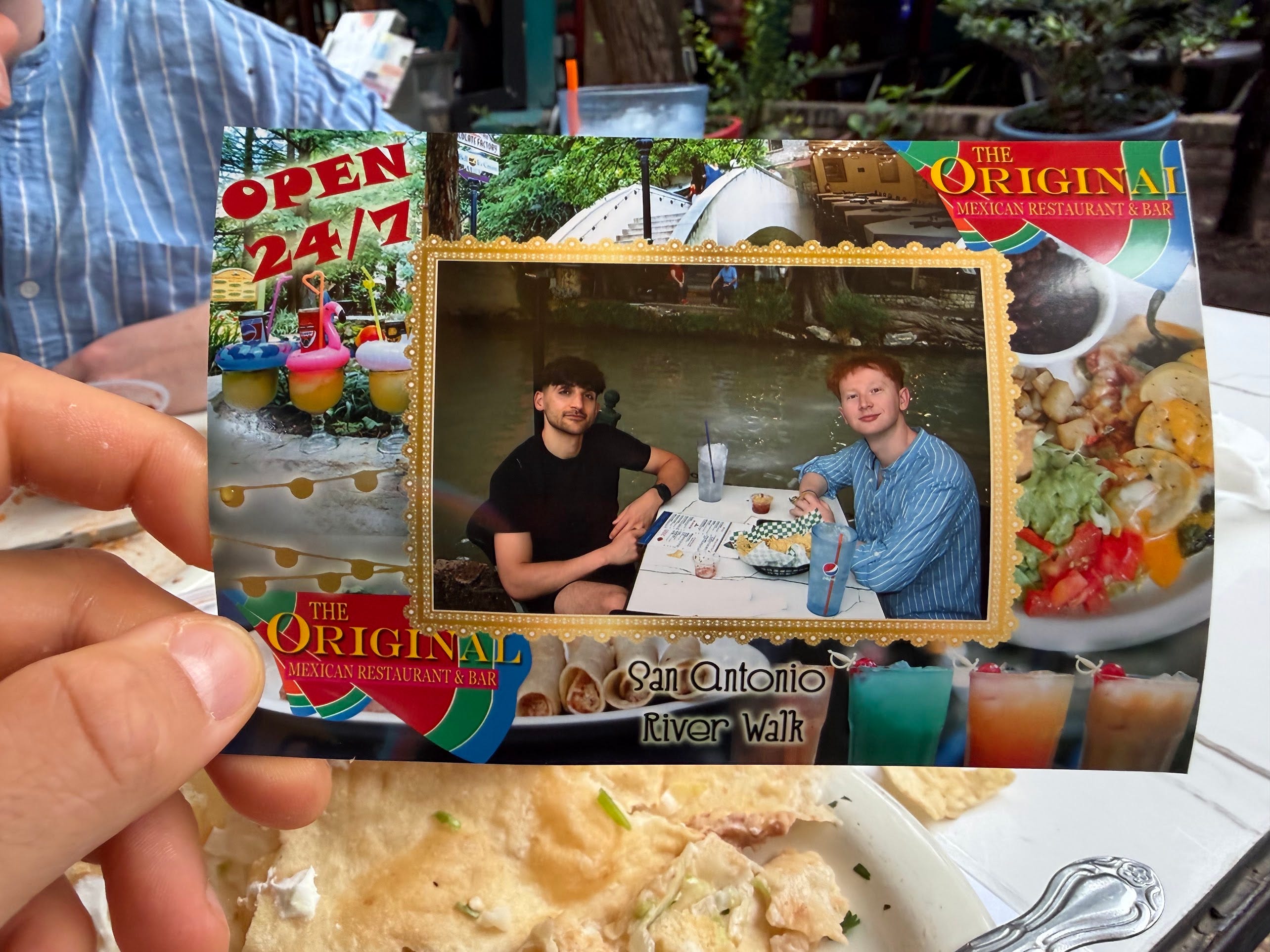
We’ve been developing a documentary about modern trad wives for a little while, what the movement actually is, who’s in it, what draws people to it, and what the infrastructure behind it looks like. It’s a subject that generates enormous amounts of heat and very little actual access. We wanted to approach it the way we approach everything, with genuine curiosity rather than a conclusion already written.
And that, as always, relies on people letting us in. This week, that happened on a significant scale. A major figure within that world agreed to show us the reality behind the public version of their life, what it actually looks like when the cameras aren’t rolling in a controlled way. So we flew out to the Turning Point USA Women’s Leadership Summit, one of the most prominent gatherings in the conservative women’s space, and started filming.
I’ll have a lot more to say when the film is closer. But it was worth every bit of the chaos to get there.
The jails film
Nearly 200k views on YouTube. Over 4,500 likes, thousands of new subscribers and an inbox full of messages that have meant a lot - way more than the numbers.
The comments were full of people praising exactly the things we care most about: the journalism, the craft, the ability to sit with difficult people in difficult situations without flinching or moralising. One person called us an overly underrated channel, I’ll take that. Another said that what makes the interviewing work is that you can tell the subjects trust us immediately — and that this comes from “genuinely not looking down on them.” That’s the whole thing, really.
Beyond the broader love for the channel, people watched closely enough to have real opinions. Someone spent several paragraphs on the specific case of a man facing murder charges for being in a separate vehicle when his friend pulled the trigger — arguing the American justice system had got it wrong. Someone else noticed Britney, one of the inmates, was articulate and sharp, and wrote that they hoped she gets out and builds something. Another simply said: “Damn, everybody looks aged beyond their years.” Jail life is rough.
If you haven’t seen it, click the link above.
For members
There’s a lot that didn’t make the final cut, extended conversations, moments too raw or slow for the 37-minute film. We’re releasing them over the coming weeks for members only. The first one is out now.
Not yet a member? Join by clicking here.
What’s coming next: The Versus format
The echo chamber film we released a few weeks ago, a leftist influencer at a right-wing rally, a conservative influencer at a left-wing protest, both of them together all day, landed not just as a good film but as a format. Two contrasting lives, head to head, to understand a wider issue. It’s our building bridges format, and we’re going to keep making it.
The first one was right versus left. The next one is the haves versus the have nots.
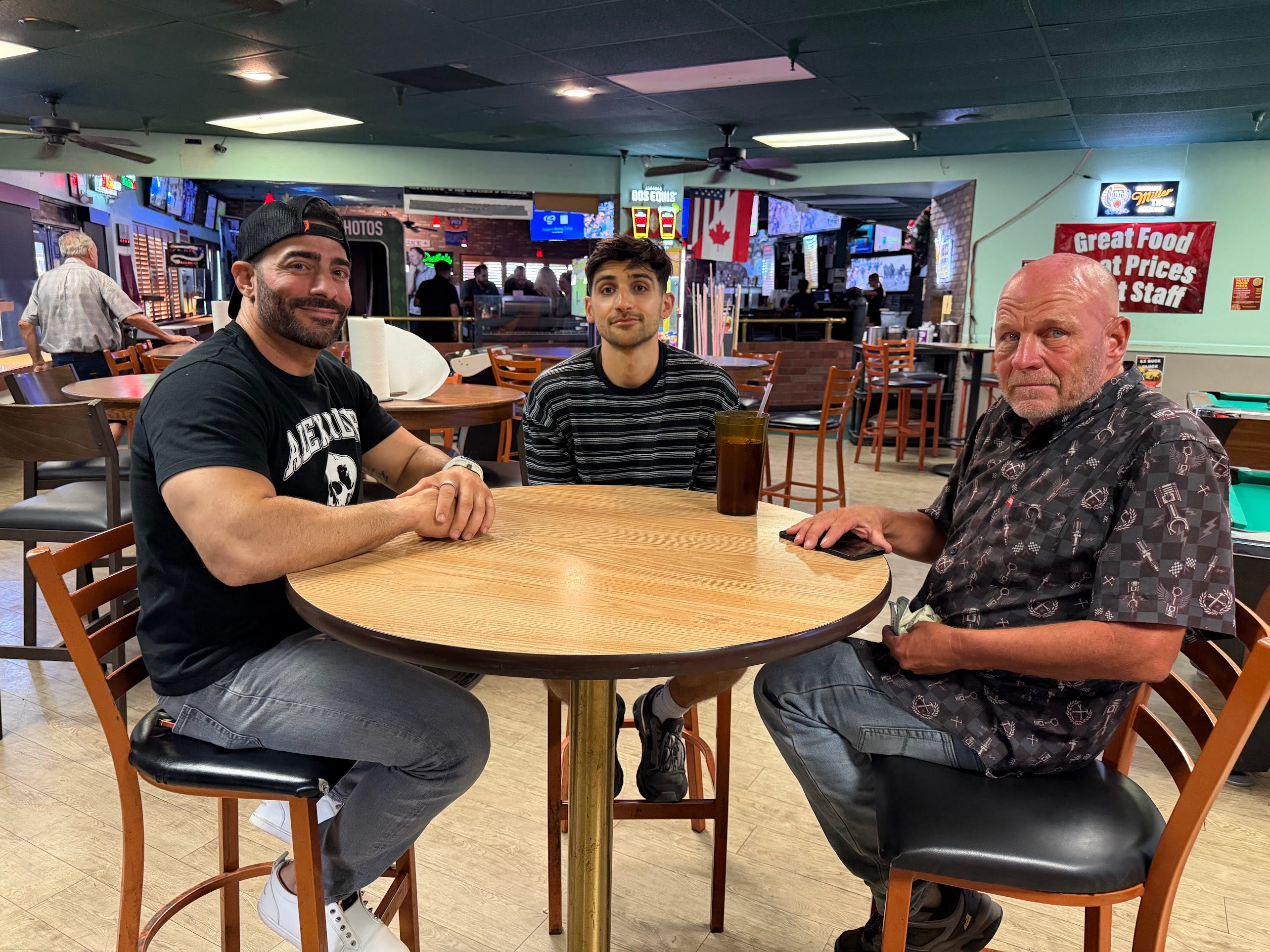
We had extraordinary access to two people at opposite ends of the wealth spectrum, who gave us real time, not an afternoon, but a real step into their lives, so we could understand what daily life actually looks like from where they’re standing.
One is a millionaire. Tens of millions. The architecture of life that comes with that kind of wealth is something most people never see up close.
The other is a man who is unhoused, who lives on the porch of a sports bar in Arizona. It’s where he sleeps, where he spends his days, where his whole world is.
Both of them gave us something rare. Genuine openness. And then, for the first time, they met each other.
I don’t want to say too much about what happened. But it’s a story with a lot of surprises, which is usually the sign that it’s going to be interesting. Income inequality is one of the defining issues of the moment, and a think piece about it will only get you so far. Watching two people who’ve never been in the same room try to make sense of each other’s life is something else entirely.
That film is coming very soon.
One more thing
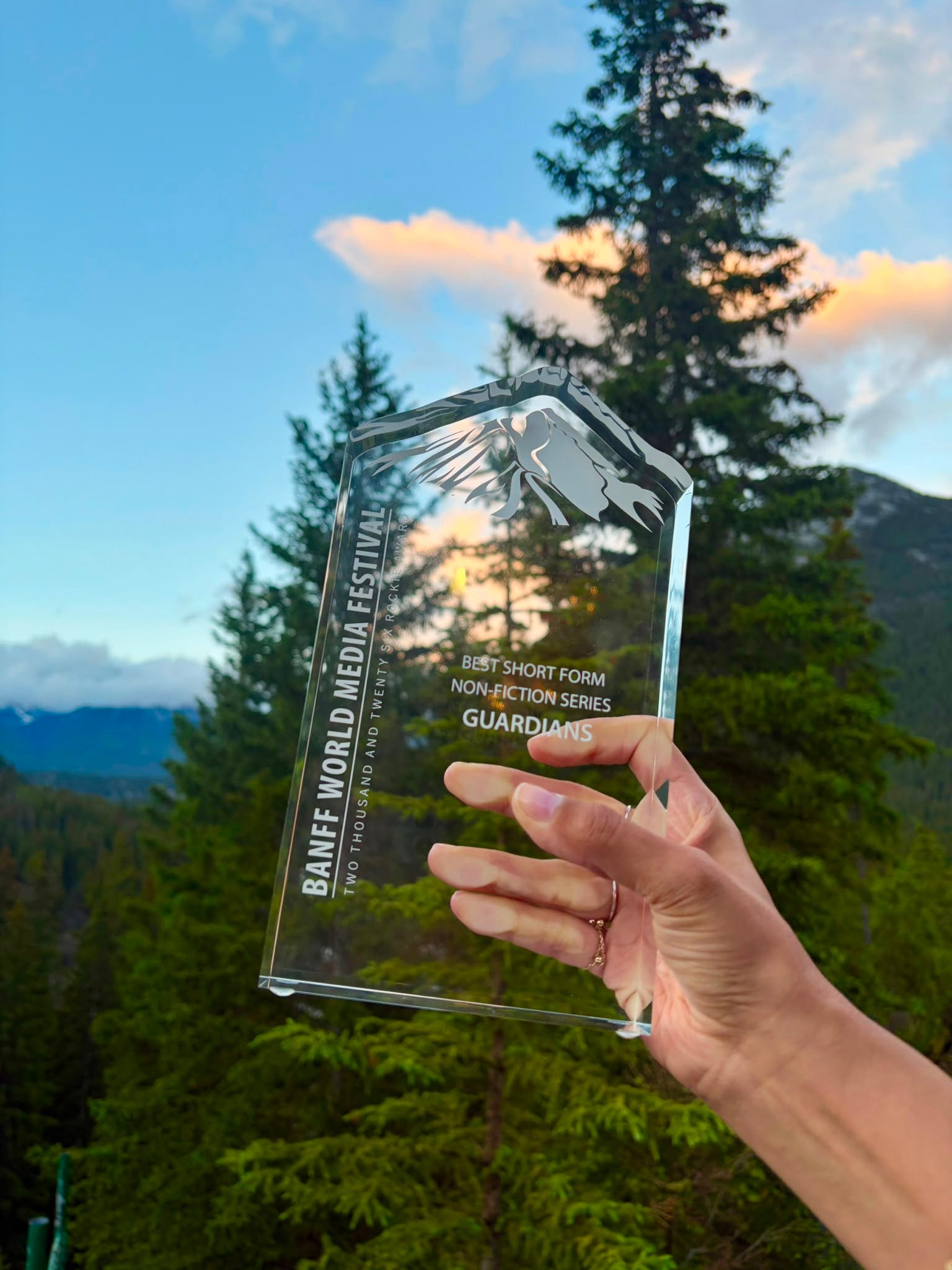
We won a Banff World Media Festival Award for The Guardians, our series highlighting rangers around the world who are fighting to protect the planet. It was a collaboration with Prince William and the Royal Foundation. Banff is one of the most prestigious festivals in the world for factual content. Genuinely proud of what the whole team built on that one.
On the media: the YouTube-to-cinema pipeline
Something has been sitting in my head for a few weeks, and it came into sharper focus this week.
Obsession, the horror film directed by 26-year-old Curry Barker, has taken north of $80 million at the global box office on a reported budget of around $3 million. It originated from a short film on YouTube. The Backrooms, originally a found footage short made by 16-year-old Kane Parsons, got picked up by A24 before he’d left school. Iron Lung crossed from indie game into genuine cultural moment largely through YouTube. None of these followed the traditional path. They built an audience first and the industry followed.
Which brings me to documentary.
The conversation in the documentary industry right now is whether YouTube is a door or a dead end. Whether putting your film on the platform first closes off the routes to traditional distribution, theatrical release, festivals, the structures that have historically sustained documentary careers, or whether it opens something new.
Zandland Exec Josh Reynolds was talking about exactly this at Sheffield DocFest last week, and our view, one that is increasingly being borne out in practice, is that the old anxiety about YouTube is starting to look outdated. Distributors are approaching us now knowing our films live freely on the channel, and buying our work anyway. Owning our own IP, and the audience, is the asset, not a hindrance.
The hesitancy is understandable. Festivals build careers. Awards build careers. Rights matter in a way that platform revenue can’t straightforwardly replace, and handing the future of documentary to a commercial algorithm is a genuine risk that serious people are right to name. None of that is wrong.
But we think the long-term opportunity for documentary in this space is significant, bigger than the industry currently assumes, and bigger than what Obsession or Backrooms suggests on the surface. Those are extreme cases. What’s more interesting is the slower, compounding version: filmmakers building real audiences on YouTube over time, developing the kind of trust with viewers that makes a theatrical event or a major distribution deal feel like a natural next step rather than a lucky break.
The pipeline exists. It’s just not yet visible enough for the industry to have named it properly.
I’m delivering the keynote at Sunny Side of the Doc in France next week on exactly this. I’ll have more to say after that, these conversations always sharpen when you’re in a room with people who’ve been thinking about it from a completely different angle.
More soon.
— Ben Z