

This week we released one of the favourite films we’ve made so far on the channel: I Took A Millionaire Into A Homeless Man’s Life. If you haven’t seen it yet, the link is below.
Fifteen minutes apart in Scottsdale, Arizona, you have one of the fastest growing millionaire populations in the world and one of the country’s worst homelessness crises. We took one person from each world and put them in a room together.
The film speaks for itself. But there is a lot that happens behind a film like this that never makes the cut, and some of it says as much about how this kind of work actually gets made as the film itself. So this week, a bit of a behind the scenes.
So how do you actually find a millionaire?
The honest answer is: not very easily, and then completely by accident.
Finding Larry was, in a strange way, the more straightforward part. We worked with the Phoenix Rescue Mission, rode along with their outreach team, and met people living on the streets who were willing to talk. Larry stood out immediately. A 63 year old army veteran who writes poetry about homelessness and sleeps on the patio of a sports bar. You don’t forget meeting people like that.
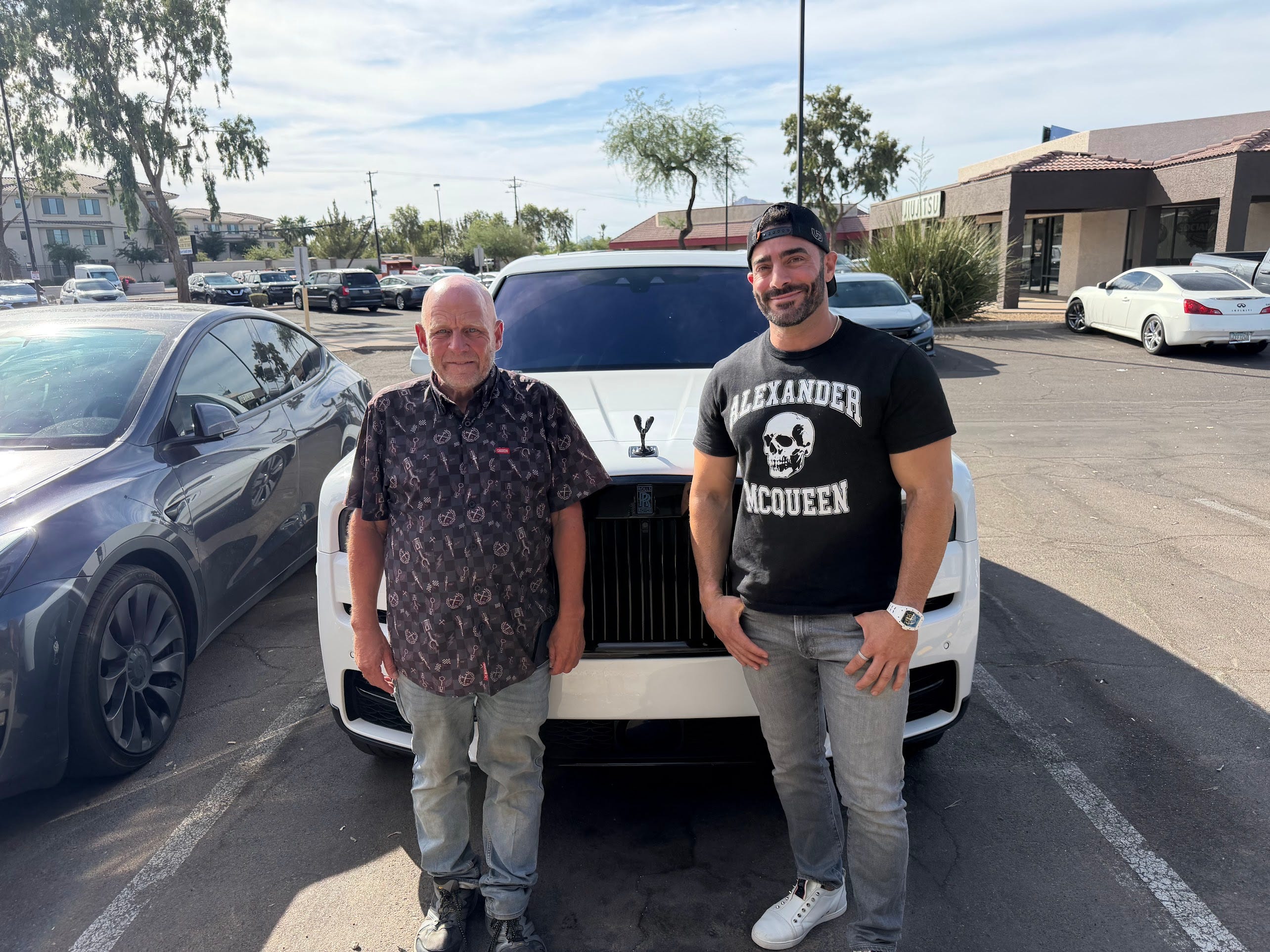
The millionaire was a different story. We contacted what felt like every wealthy person in the Scottsdale area (there’s a lot). Team member Freddie Newman worked through the night from London firing out requests. We had leads, but we didn’t have a lot of time. And rich people, it turns out, are not necessarily queuing up to be filmed next to their possessions while meeting someone who has nothing. Which, when you think about what the film is asking of them, is pretty understandable.
So with the shoot clock running down, another Zandland team member Ben Mulley suggested something that sounded ridiculous: go and stand on the streets in Scottsdale holding a giant sign saying, “I want to meet a millionaire”, and see what happened.
My eventual rationale, as I say in the film, was expensive cars = expensive people. So finally, parked next to a Lamborghini, we met Mike. I gave him the pitch in one breath: spend the day with me, show me your life, then meet someone on the exact opposite end of the financial spectrum. After a bit of back and forth, Mike moved on to the stage of saying it "sounded interesting". And then, to my genuine surprise, he said yes.
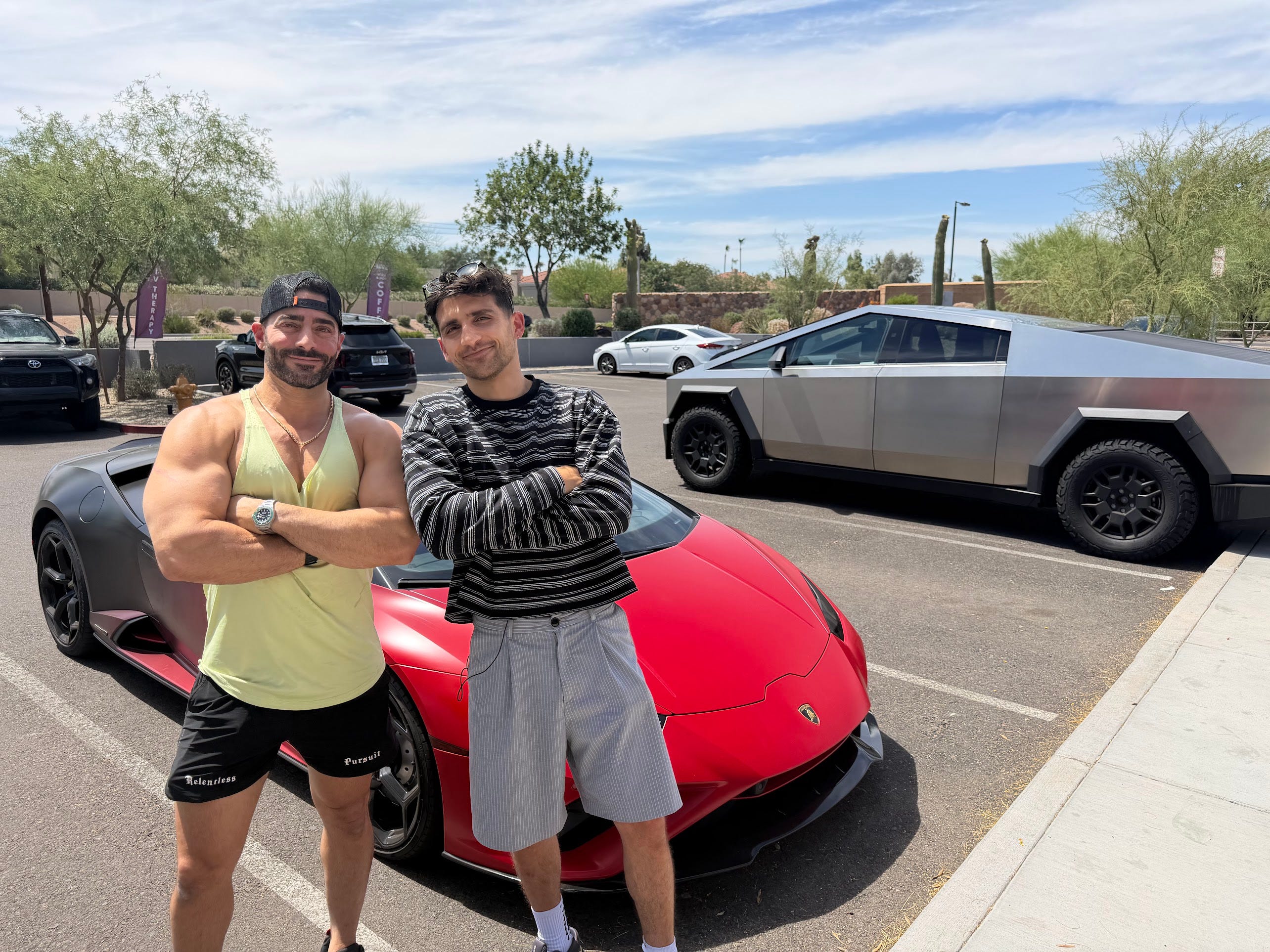
There is a lesson in that which applies to almost everything we make. You can plan all you want and do a lot of prep, but 7 films out of 10 require us to do some good old fashioned pavement pounding to try and find people in real life. People often respond best to being asked honestly, face to face, in a way they never respond to a producer's message.
The moment we did not plan
If you have watched the film, you’ll probably know what I’m talking about here. Mike pulls out a thousand dollars in cash and tells Larry to take it. Larry does not want to. Mike insists. It is a bit uncomfortable, moving and complicated all at once.
I want to be clear about the fact we had no part in that. We didn’t ask Mike to bring money. We did not know it was coming. He decided, somewhere during that conversation, that he wanted to do it.
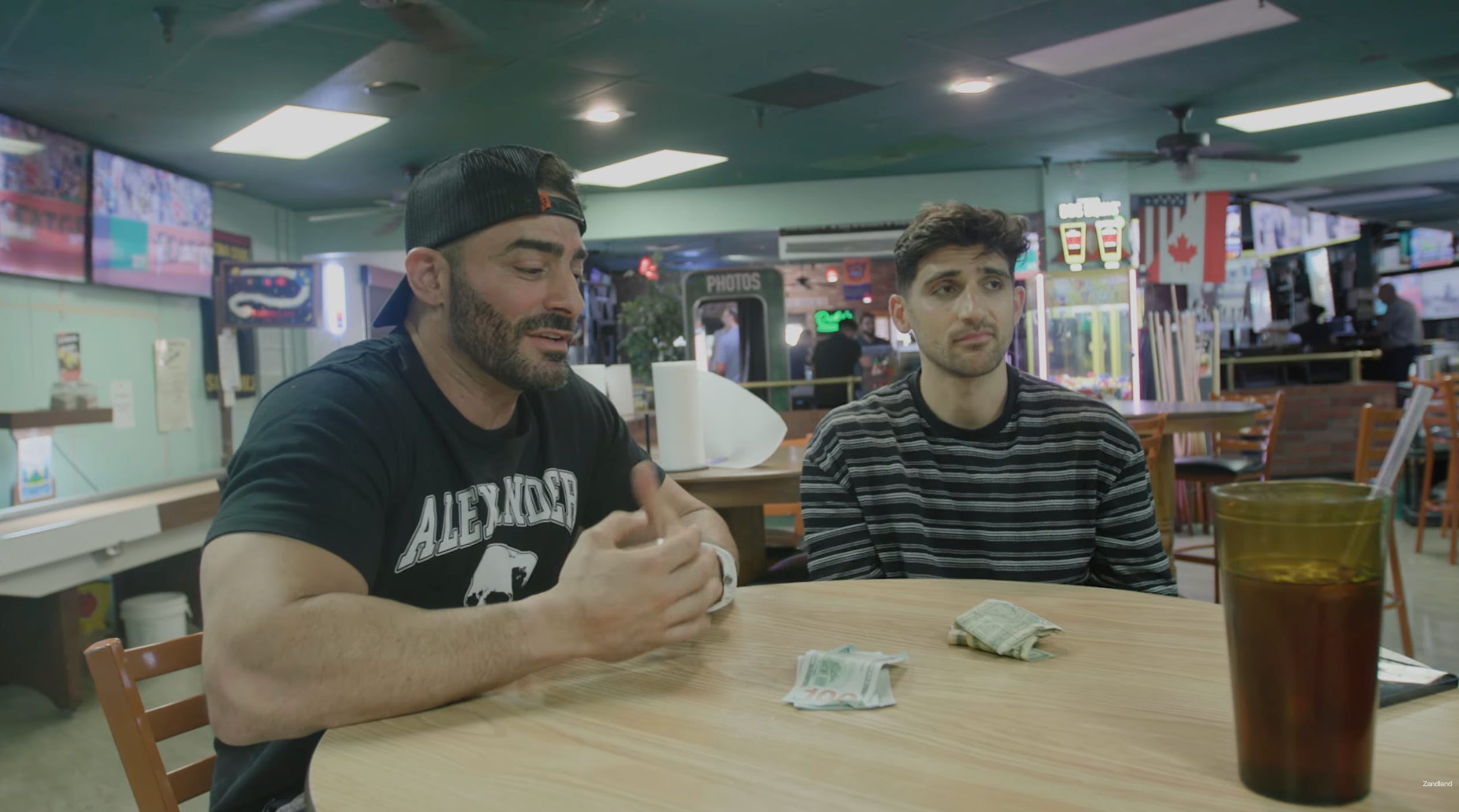
And it put us in a genuinely difficult editorial position. When money changes hands on camera between contributors, you have to think hard about what you are showing and why. Does including it make the film about a grand gesture rather than a conversation? Does it put pressure on Larry that he should not have to carry? Is the audience watching generosity or watching a power dynamic?
We kept it in because it happened, and because Larry’s hesitation is the most honest part of the whole exchange. He did not grab the money. He resisted it. A man with almost nothing had to be talked into accepting help, because accepting it meant something complicated about how he saw himself. That moment tells you more about the psychology of being homeless than any statistic we could have put on screen.
But these are the calls you make on films like this, and there is rarely a clean answer. What I can tell you is that the deposit conversation was real. That money was enough for a security deposit on a room, which is precisely the barrier Larry described earlier in the film: he could afford the monthly rent but not the deposit to get through the door. The thinnest possible line between housed and not housed, and he had been on the wrong side of it for years.
What the film couldn’t show
A few things did not make the cut that have stayed with me.
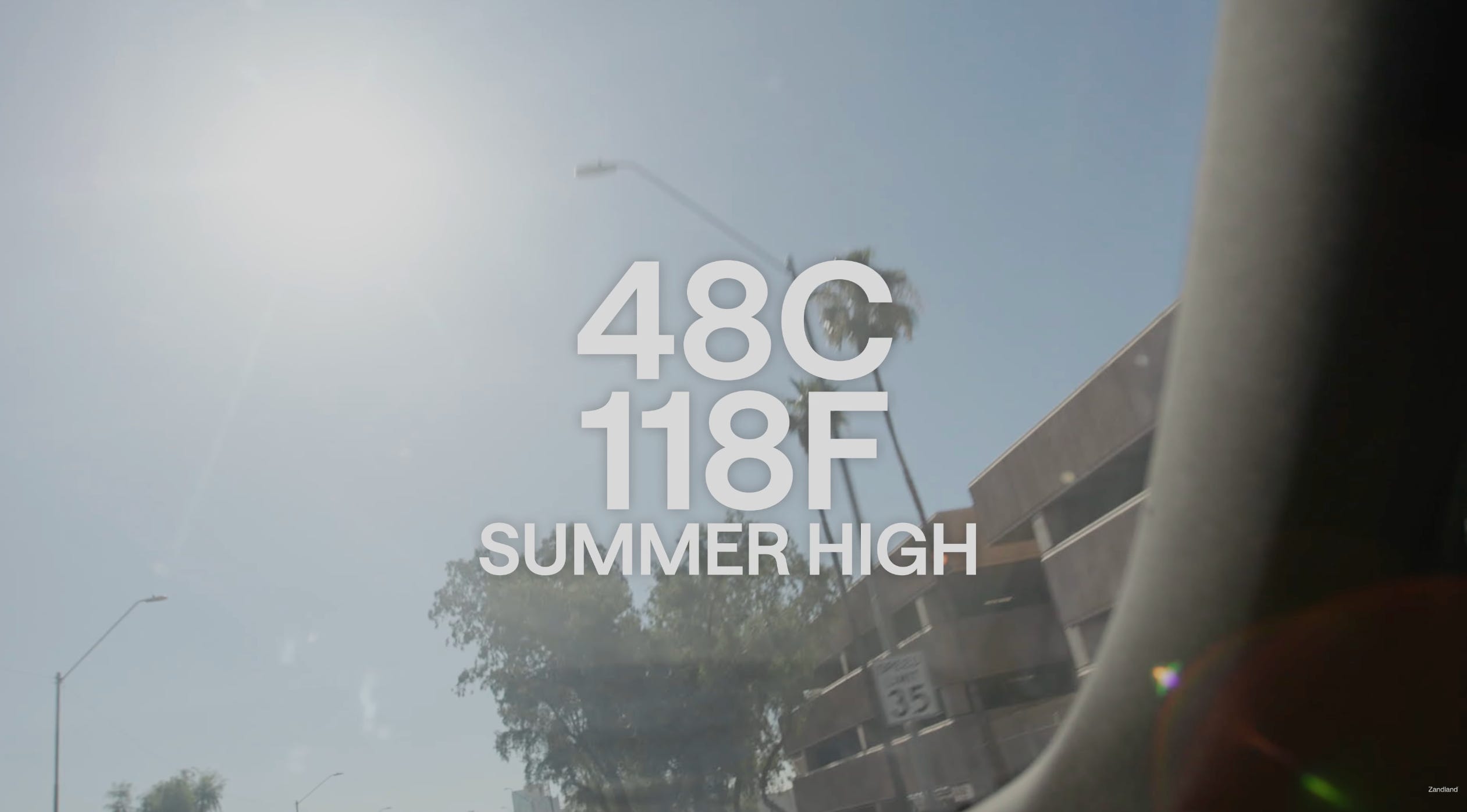
The heat is one. You feel it a little on camera but nothing communicates what it is actually like to be outside in an Arizona summer with nowhere to go indoors. Every person we met organised their entire day around shade and water. One man told us the basic rule of being homeless there is simply to survive until Monday. Not a metaphor. A logistical plan.
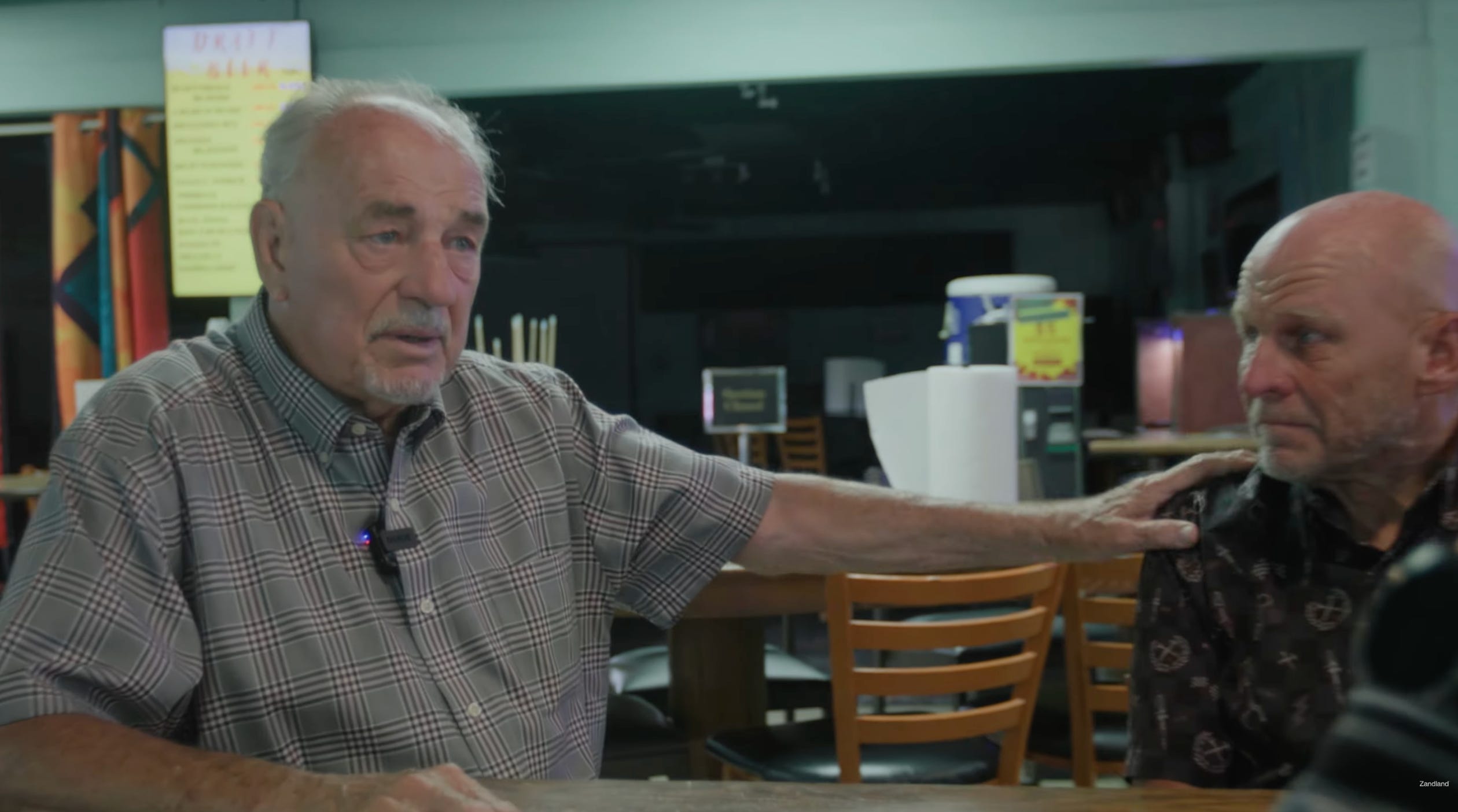
The other is Al, the bar owner who lets Larry sleep on his patio and feeds him daily. He said something that did not fully land with me until the edit: if a stray dog comes to you needing water, you give it water, but when a human being comes to you in need, we tell them to go away. He was not being dramatic. He was describing something he watches happen every day. His whole philosophy was that if half the world helped just one person, everything would change. He was not waiting for a policy. He just picked Larry.
The thumbnail problem
One more honest admission, because it is a question we still have not solved.
Packaging a film like this is genuinely hard. The world of YouTube thumbnails has drifted towards a very specific visual language: heightened, saturated, often AI-assisted, engineered for maximum click through. And it works. The algorithm rewards it. But a film like this one is built entirely on being raw and real, and there is an obvious tension in selling authentic work with an inauthentic image.
So which way do you go? Play the algorithm for maximum exposure and risk undermining the very thing your audience comes to you for? Go completely raw and watch a film you spent months on get buried? Or try to find some middle ground between the two?
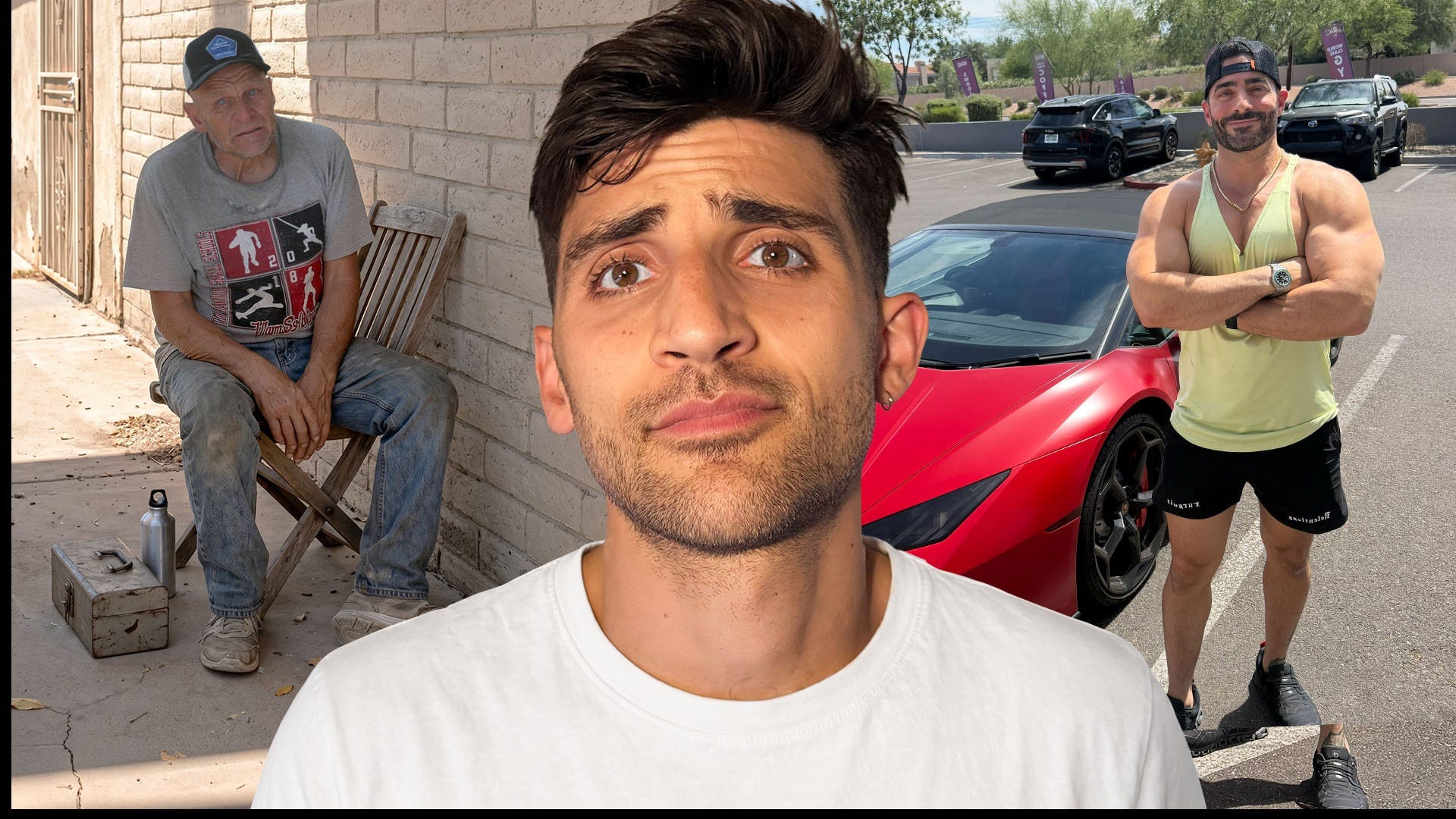
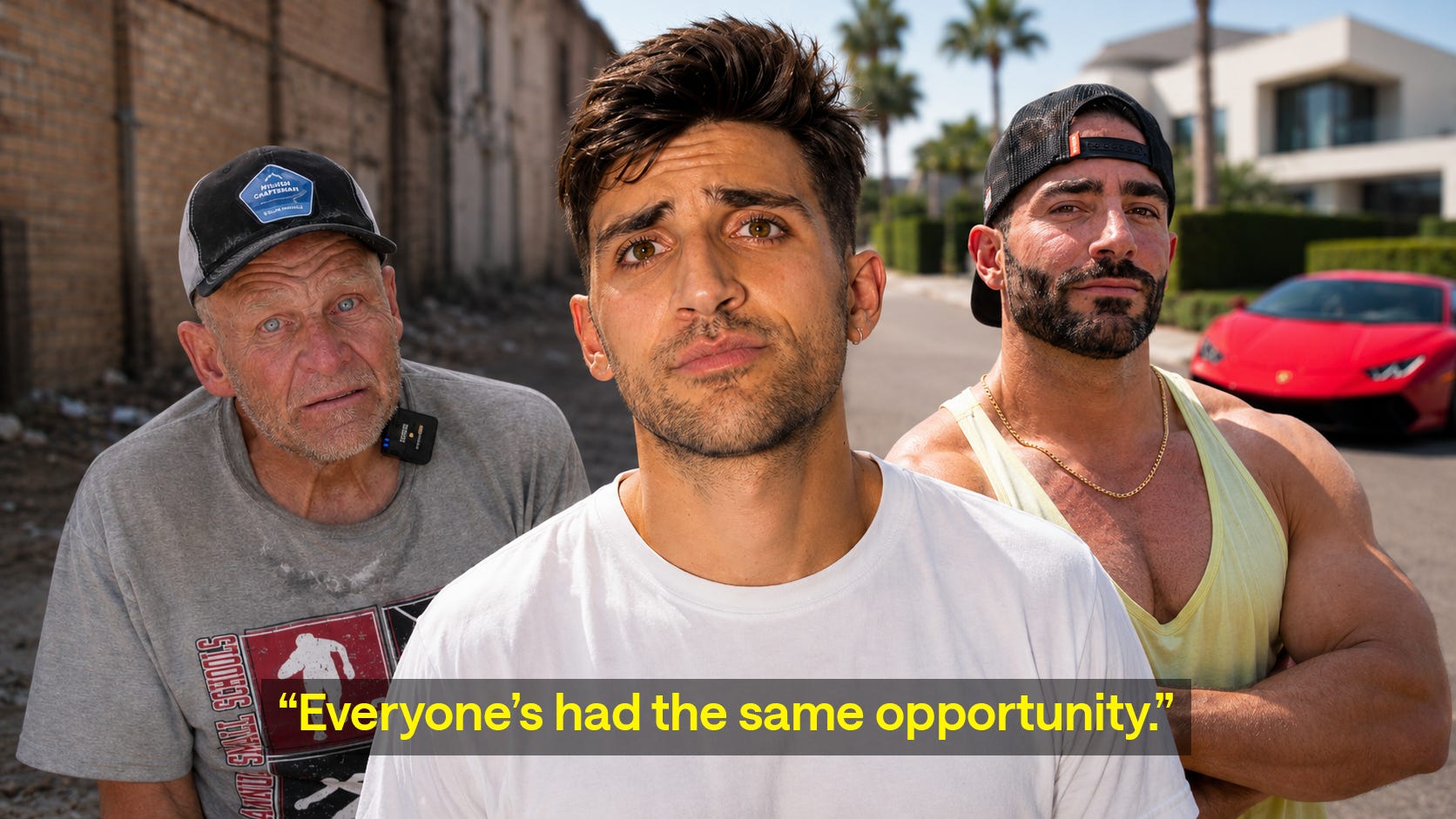
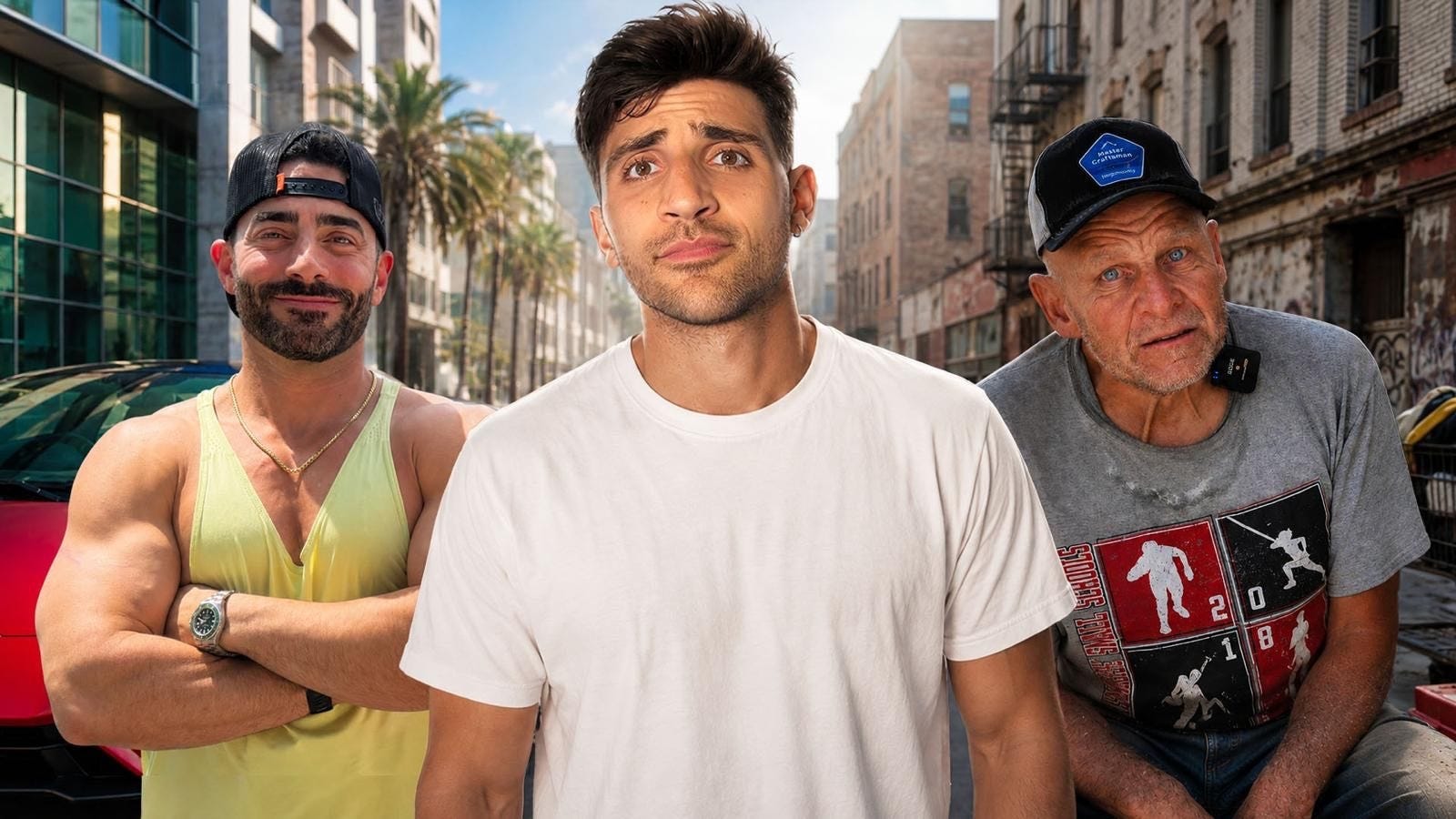
I was talking recently to another very big YouTube documentary maker and they are wrestling with exactly the same question. Nobody has cracked it. The incentives of the platform (or maybe more accurately, the audience) and the values of the work are sometimes in conflict, and everyone making serious documentary on YouTube is quietly running their own experiments on where the line sits.
Titles come with the same problem. We went back and forth on this one a lot. And what we kept coming back to is that for us, focusing on the people rather than the topic is what works. Not a film about wealth inequality. A film about a millionaire entering a homeless man’s life. The subject is the divide, but the story is two human beings, and the title needed to promise the story rather than the issue.
For the thumbnail we went for the middle ground. And honestly, I am still not sure it was right.
Genuinely curious what you think here about thumbnails! Let me know in the comments. Would you rather we packaged things to reach the biggest possible audience, or kept everything as raw as the films themselves? Impact, of course, matters. So we need people to watch these things.
For the industry readers: why this format works
A quick note on the mechanics, because several people have asked since the echo chamber film.
This is the second film in what is becoming a recognisable Zandland shape: take two people from opposite ends of a divide and force a real encounter. Left and right at each other’s protests. A millionaire and a homeless man at the same table. The format is simple to describe, endlessly repeatable across different fault lines, and generates its tension from the relationship rather than from us editorialising.
The key discipline is the same one that runs through everything we make: we do not arrive with a verdict. Mike says things in this film that some viewers will find infuriating. Larry says things that complicate the neat version of his story. We let both stand. The comments are full of people arguing with each other about who was right, which is exactly the point. We built the room. The audience has the conversation.
That, increasingly, is what I think this kind of documentary is for. Not to tell people what to conclude, but to stage an encounter honest enough that the conclusions become unavoidable to argue about. As always, I’m massively grateful to both Larry and Mike for taking the time to do this, they really didn’t have to.
And one thing you can actually do
Larry’s poetry book is real, it is published, and buying it is a direct way to support him. Here’s the link, a huge amount of the audience already has. He told us the happiest moment of his recent life was opening the box from the publisher and seeing his own book for the first time. Sometimes a conversation, sometimes being noticed, sometimes not being invisible.
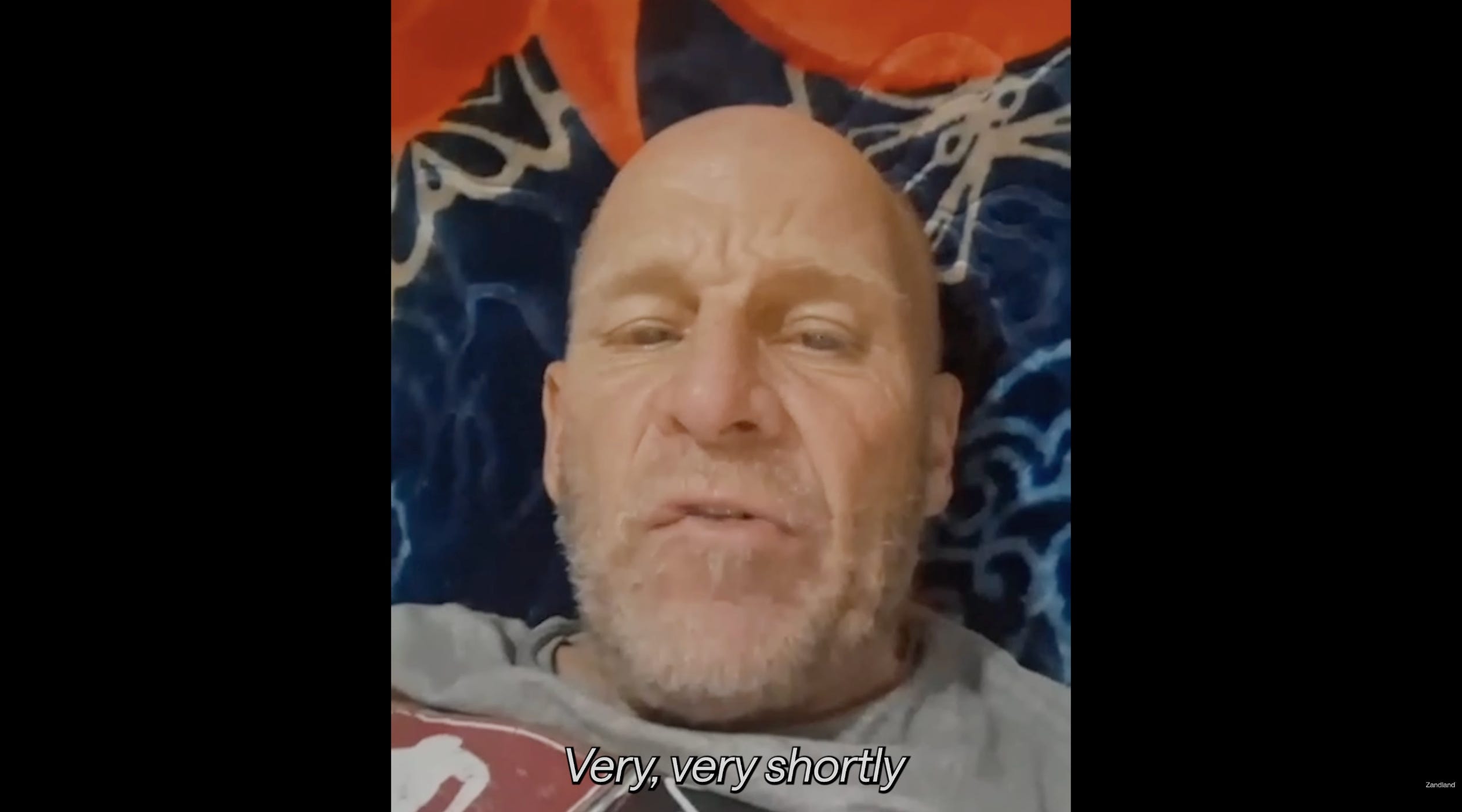
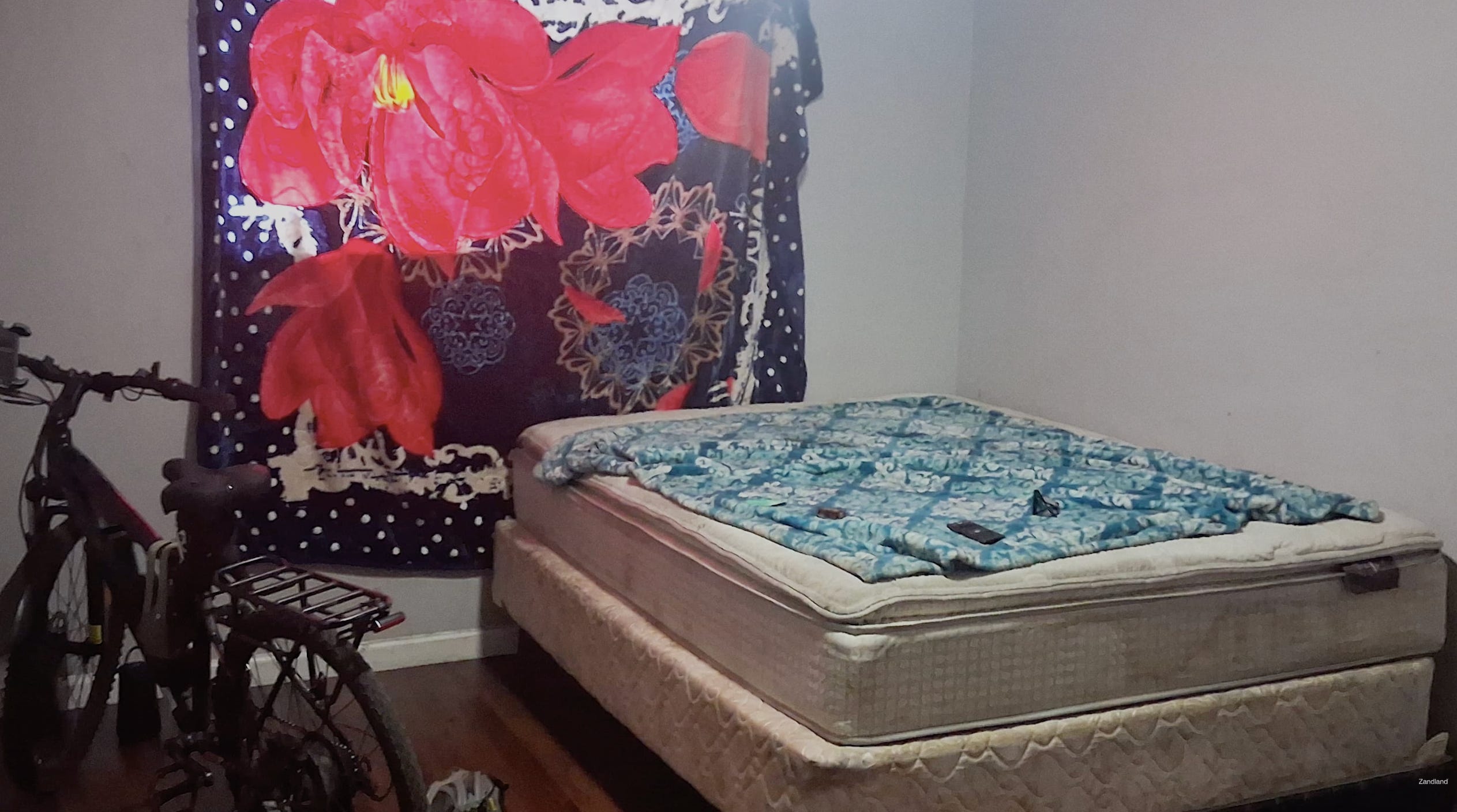
And there is one more thing worth knowing. By the end of the film, Larry has a home. After years on the wrong side of the thinnest possible line, able to afford the rent but never the deposit, he is finally through the door. I will not say more than that because the film tells it better than I can. But it is worth watching to the end.
Watch the film if you haven’t already. And if this newsletter resonated, forward it to someone who would connect with it.
If someone sent this to you, subscribe at newsletter.zand.land.
— Ben