
Why Are People Running Away From The West?
Why The Idea of Leaving Everything Behind is Going Mainstream

This Thursday, we release our next Zandland documentary, and the title alone doesn’t prepare you for where it goes.
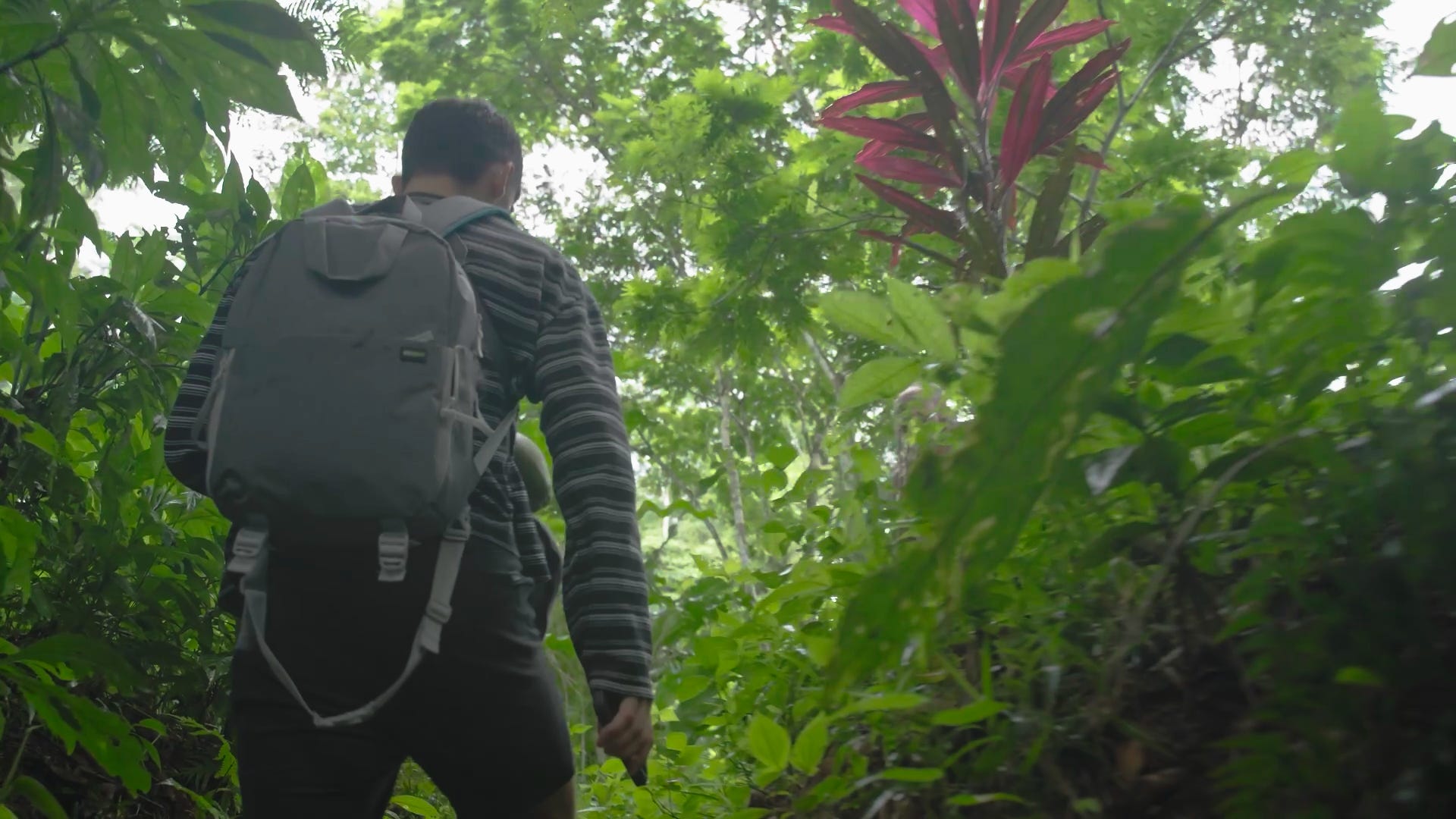
We travel deep into the Costa Rican jungle to spend time with a remote commune of people who have walked away from conventional Western life entirely. Off-grid, in nature, at serious distance from the outside world.
Underneath that: it’s about whether escape is even possible, and what it costs you if you try.
Why this film, why now
Lately I’ve been thinking a lot about escape. Not in the abstract or romantic sense, but in a much more literal and increasingly understandable one: the desire to get away from modern Western life entirely, to step outside the grind of work, bills, screens, deadlines, social pressure, dating apps, overstimulation, institutional decline and the low-level but persistent feeling that, for many people, the system isn’t really delivering what it promised.
And if I’m honest, I think that feeling is becoming more and more widespread. It’s not just that life feels expensive, exhausting and unstable, though it does. It’s also that the horizon feels darker than it has in a long time. You have a cost of living crisis, collapsing trust in institutions, political dysfunction, endless online noise, the rise of AI, social fragmentation, and on top of all that, a constant background sense that the world is becoming more volatile and more dangerous. We are living in a time where the phrase “World War Three” no longer feels like the title of some distant dystopian film, but something that could see us suited, booted and conscripted by next Wednesday. When you put all of that together, it’s not hard to see why more people are starting to ask whether the answer is not to fix the system, but to leave it.
That question sits right at the centre of this film.
What we found in the jungle
The thing that struck me very quickly while making it is that the people living there didn’t feel ridiculous or cartoonish or like they were living some fantasy that only makes sense from the outside. Their disillusionment with the world we live in was often very coherent. They were reacting to a society that they see as spiritually empty, financially brutal, environmentally destructive, socially alienating and psychologically unhealthy. They had looked at the standard route: school, job, mortgage, pressure, burnout, debt, endless striving, and decided that it was not leading somewhere they wanted to go. In that sense, they weren’t escaping reality at all. They were responding to it.
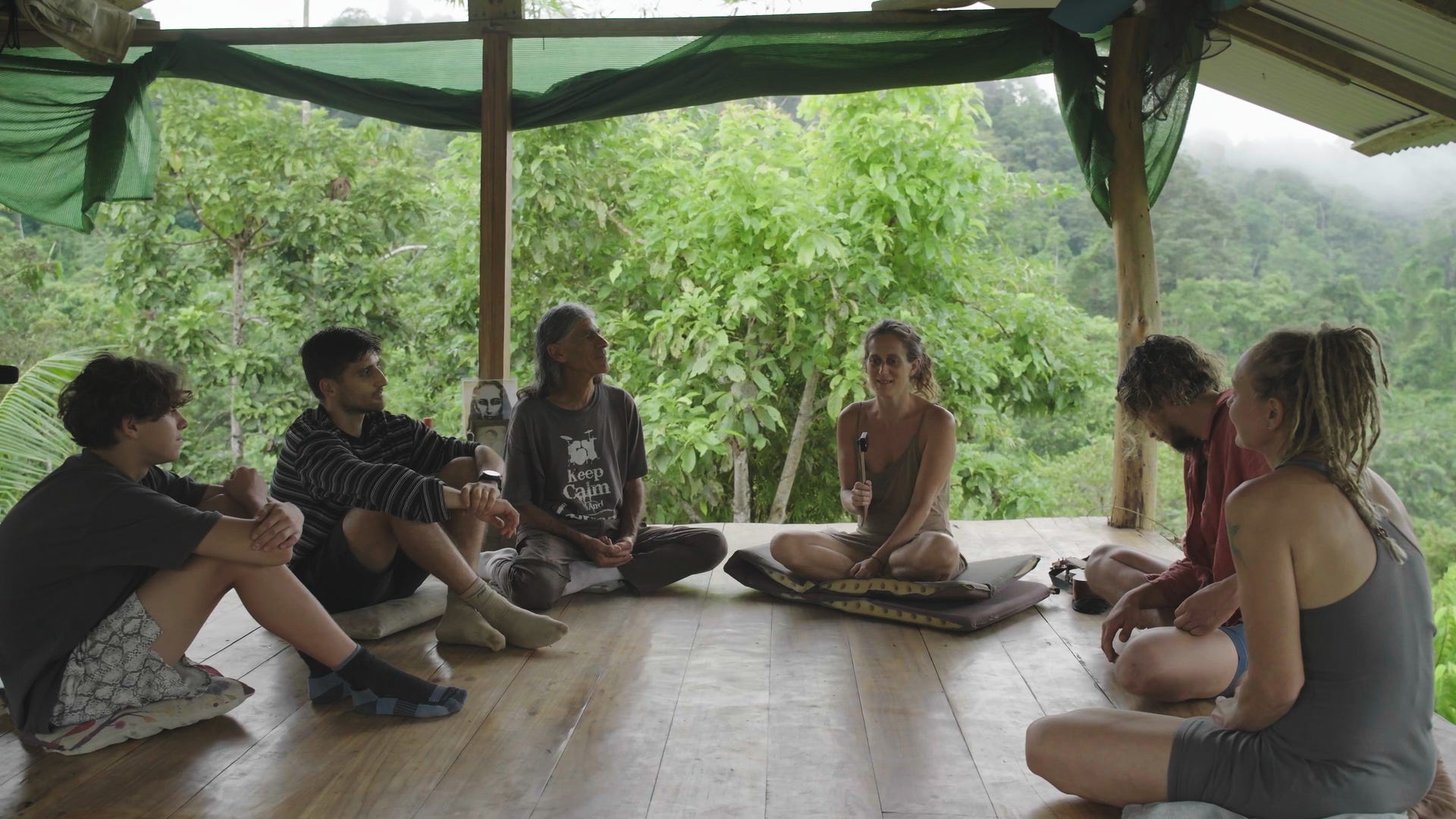
What made the story more complicated, though, was the fact that trying to leave one system does not mean you suddenly become free of problems. It just means you inherit a different set of them. That became the real shape of the film. The deeper I got into the commune, the more it stopped being a simple question of “is this better?” and became a much more interesting one about trade-offs, consequences and what happens when adults choose an alternative life not just for themselves, but for their children too. Because as an adult, moving into the jungle, living off-grid, washing in the river and rejecting conventional structures is something you can actively opt into. But if you’re a child, you don’t choose that. You’re simply brought along. And one of the questions I found hardest to shake while filming was: how do you prepare a child for a world they may eventually want to rejoin, if you raise them largely outside of it?
On one level, it’s about an off-grid jungle commune and the fantasy of opting out. But on another, it’s really about something much more universal: the sense that modern life is making a lot of people feel trapped, and that more and more of them are at least fantasising about some form of exit. That might mean leaving the city, leaving the country, leaving the internet, leaving conventional work, or just trying to build a smaller, slower and more tangible life. But however it manifests, the impulse is the same. It comes from a sense that the current arrangement isn’t working particularly well, and that the people running the system don’t seem especially capable of fixing it.
The deleted scene — exclusively for Zandland members
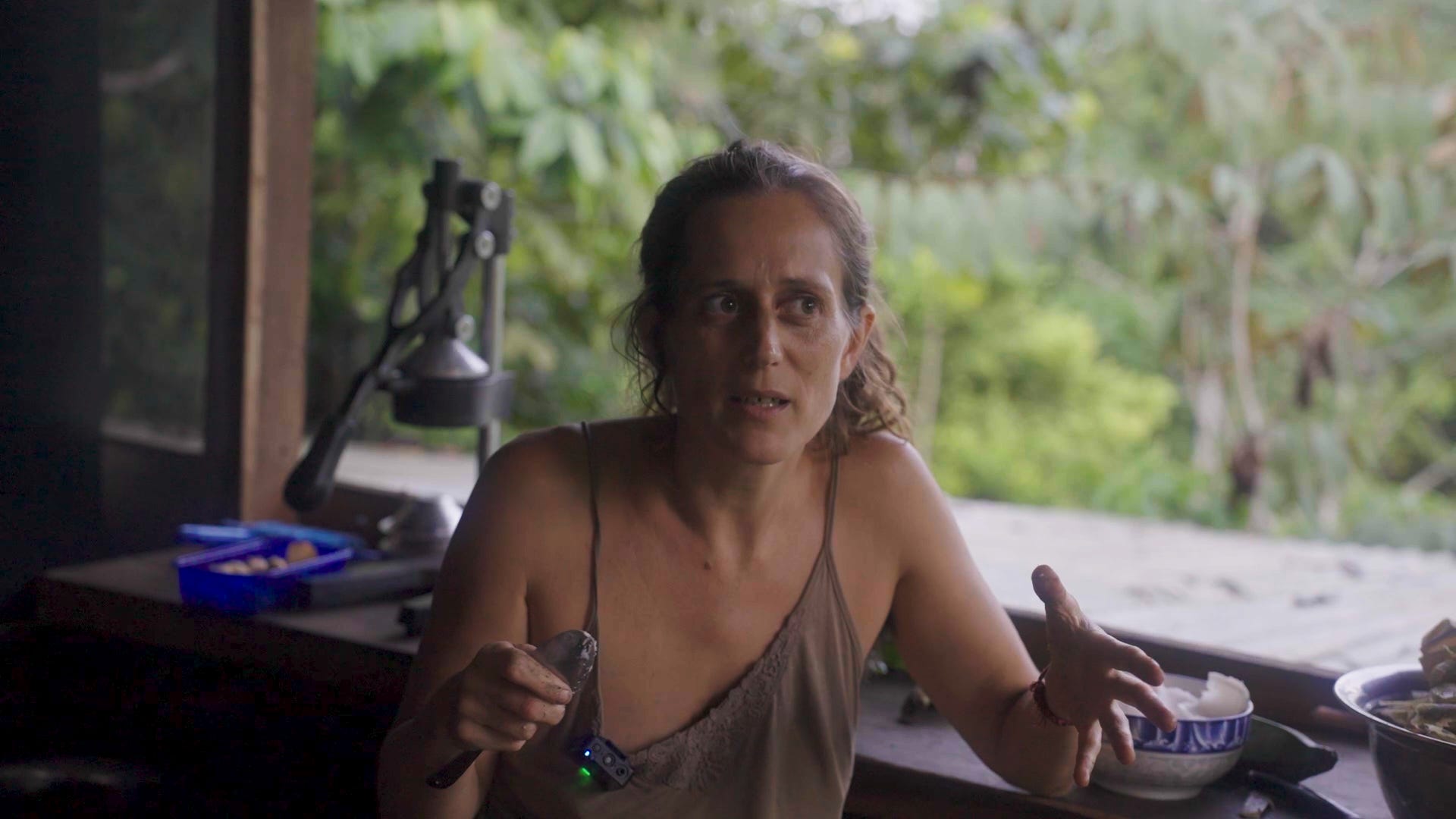
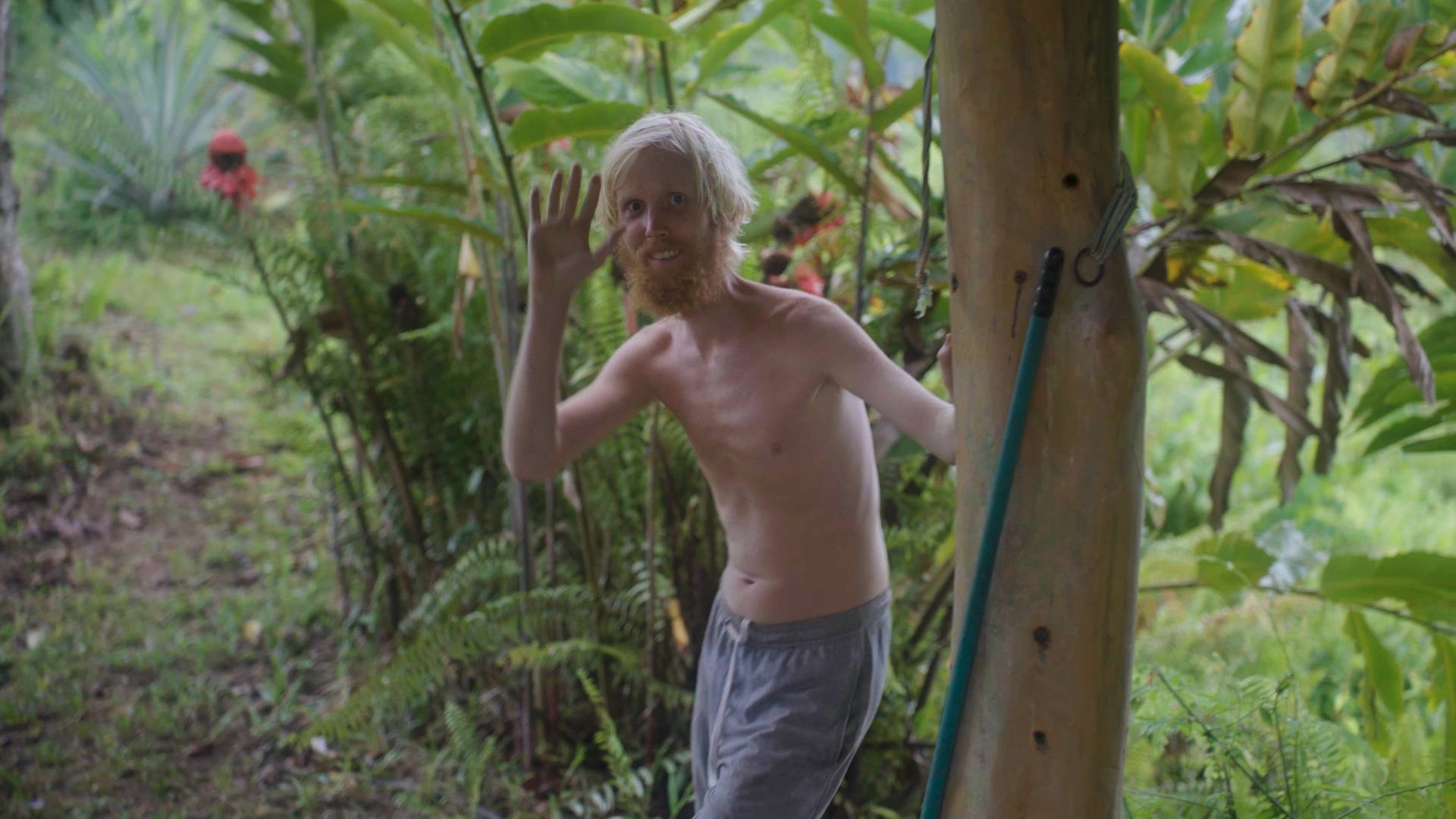
One of the people I met in the jungle was Carl. Before he arrived in Costa Rica, Carl was a motion designer working for some of the biggest companies in the world. High-flying career, serious industry, real status. He walked away from all of it to live in the jungle.
His story didn’t make the final cut of the documentary, but it was also too good to lose. So we’re making the deleted scene featuring Carl available exclusively on our YouTube for Zandland members at the same time the film releases. If you want to understand what actually drives someone to make a decision like that, his account is one of the most honest and unexpected things we filmed.
Not yet a member? Join here: https://www.youtube.com/channel/UCk2NR63vgSVfZ_D4Csd61XQ/join
BAFTA nominated — and what that means to us
Our documentary Breaking Ranks was nominated for a BAFTA last week. If you haven’t seen it yet, this is the moment: it’s free on our YouTube, and I think it’s some of the best work we’ve made.
The nomination matters to us not just as a milestone, but as a reminder that serious, difficult reporting still has a place, even in a media environment that increasingly rewards noise over substance. That’s the standard we’re trying to hold ourselves to with everything we make.
The Zandland Show — over 950,000 listens and views in a month
In the latest episode of The Zandland Show, we go into the world of cartels: access, danger and the strange moral and practical realities of reporting around organised crime. At the time of writing the show has 963, 314 listens and views in it’s first month, which still feels fairly surreal. If you haven’t found it yet, it’s a good place to start.
On truth, YouTube and the battle worth fighting
I’ve also spent time this week in conversations with people at YouTube and with other creators about a question that sits underneath all of this: how do you make work that is genuinely in the public interest, without simply adding to the conspiratorial sludge, outrage-bait and low-trust noise that fills so much of the internet?
That tension feels especially alive right now, as the old boundaries around who gets to speak, who gets believed, and who gets to define truth have become much blurrier. Our own answer at Zandland, imperfect as it is, is to bring as much reporting discipline as we can into a creator-led world. Depth, access, fairness, honesty about uncertainty, and a willingness to sit in complexity. If you’re going to reach a lot of people, you should at least be trying to show them something real.
This Thursday, 1pm ET (6pm London)
Why Are People Running Away From The West? drops this Thursday on our YouTube.
If this newsletter resonated with you, the single most useful thing you can do is forward it to someone who you think would connect with it. Substack grows word by word, and your share genuinely makes a difference.
If someone forwarded this to you and you want to read more, you can subscribe here: newsletter.zand.land
See you Thursday.
Watch our BAFTA-nominated documentary Breaking Ranks, free on YouTube. Become a Zandland member: https://www.youtube.com/channel/UCk2NR63vgSVfZ_D4Csd61XQ/join